✨ New Arrivals Just Dropped!Explore


Select Size
Select Style
From $99.38
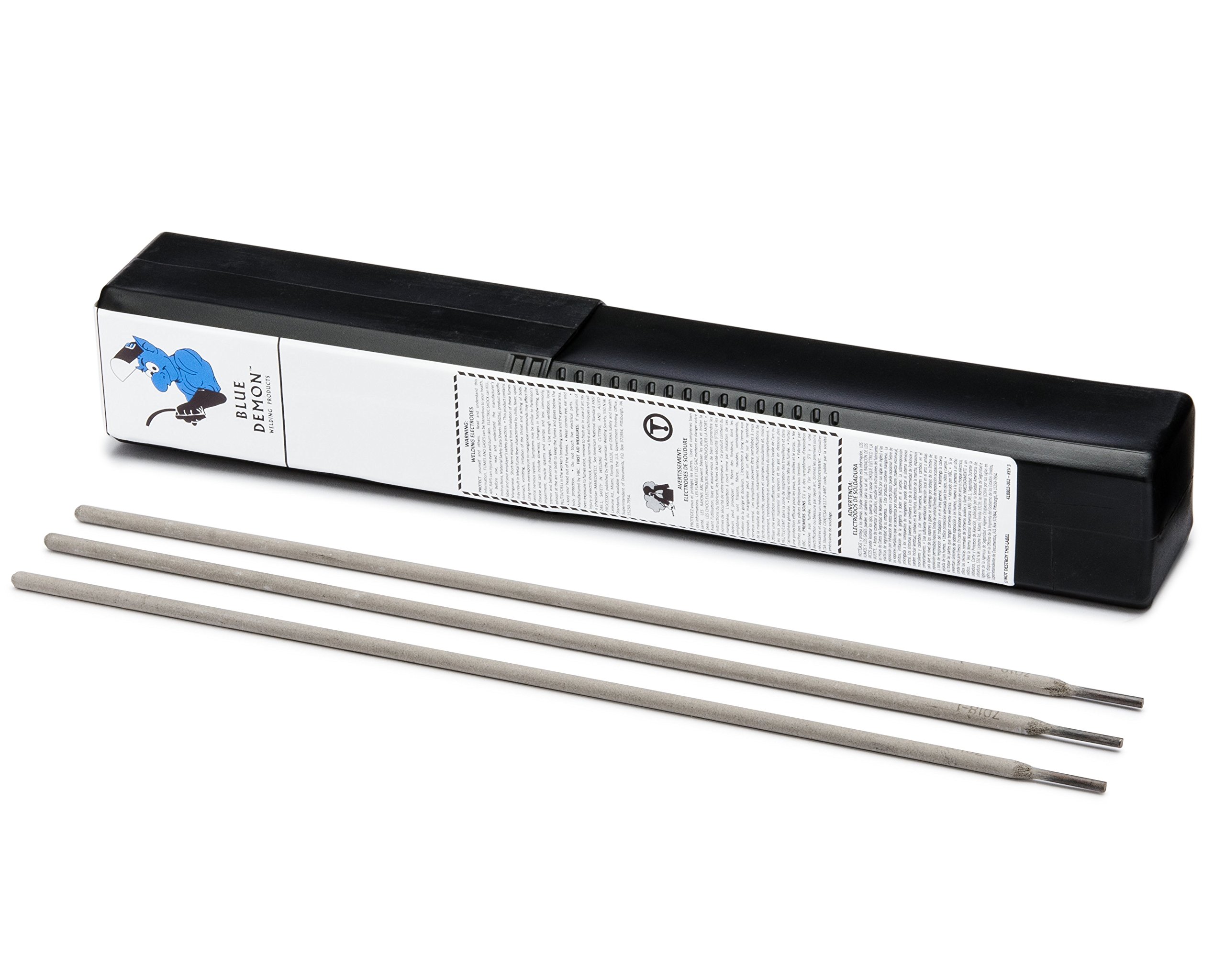
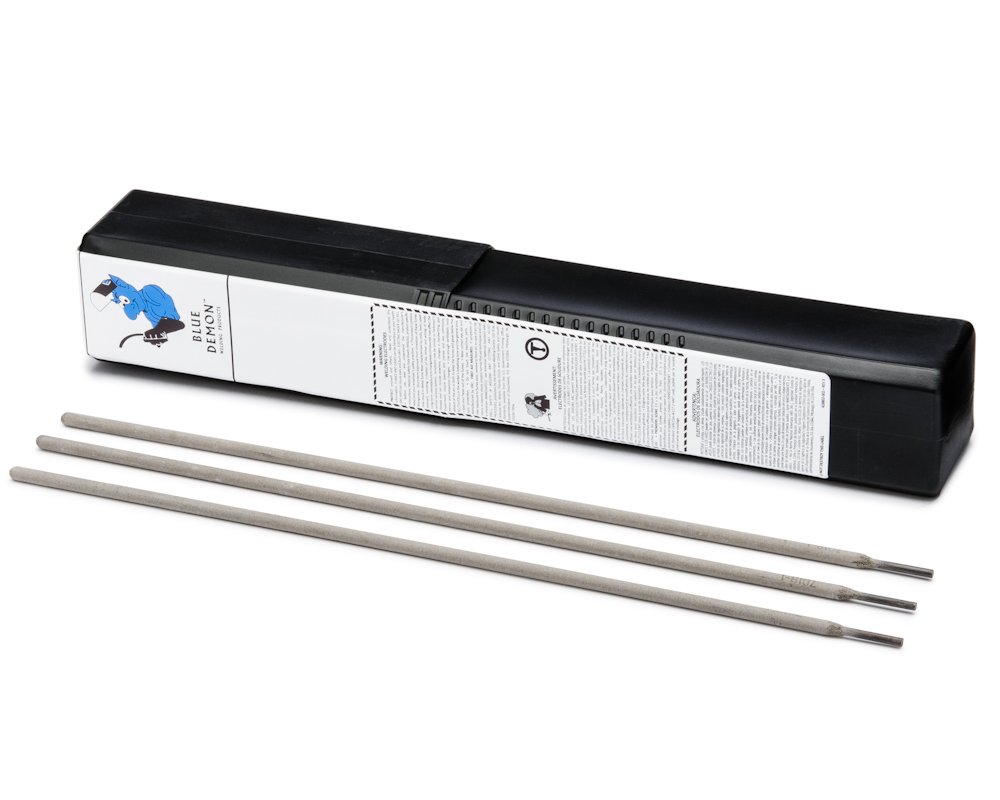
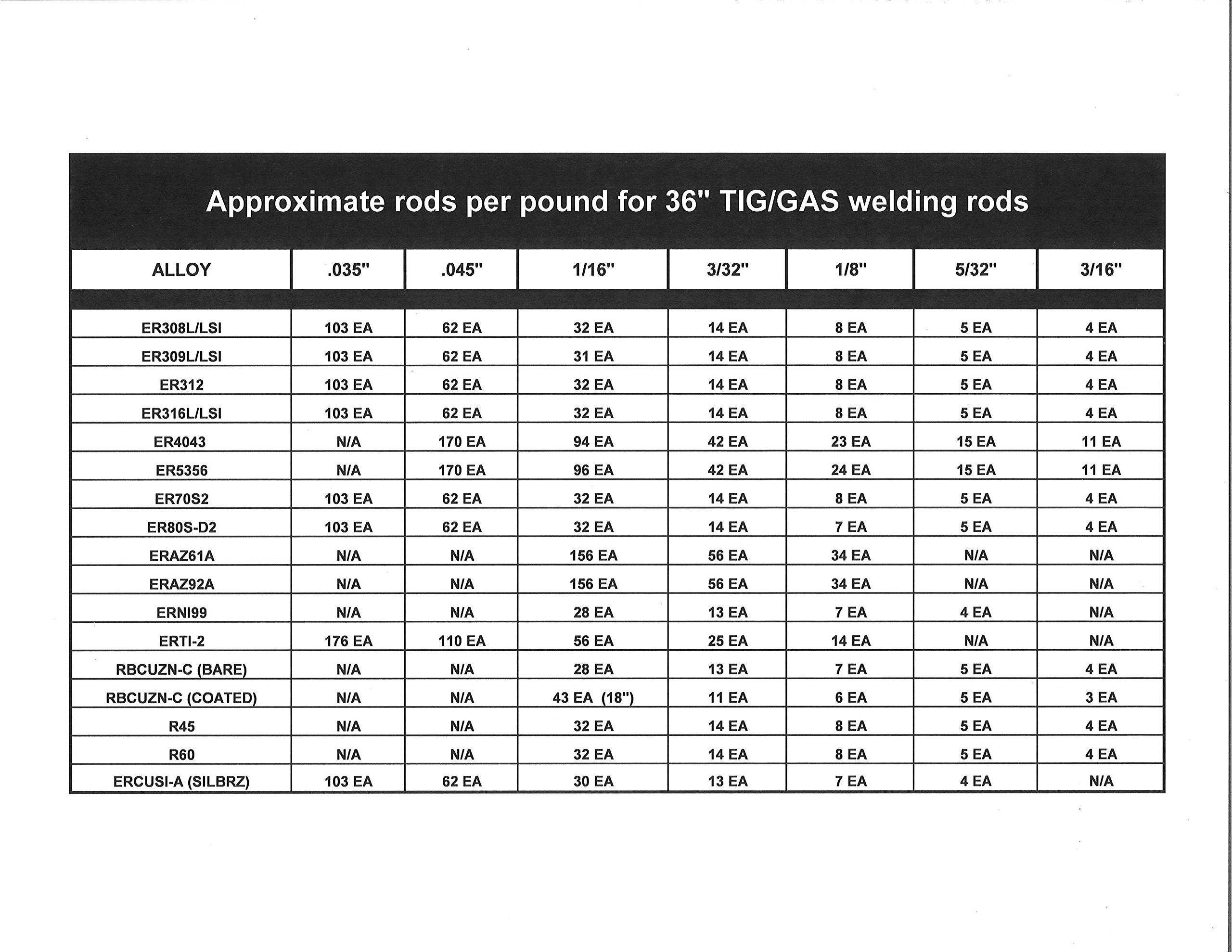
Blue Demon ER4043 X 1/8" X 36" X 1LB Tube general purpose aluminum TIG welding rod—
$99.38
The Story
- ER4043 contains silicon additives and is designed for excellent weld pool fluidity for smoother arc control, easier puddle management, and consistent aluminum TIG welding performance.
- This aluminum welding wire has a bright, aesthetically pleasing, smooth finish making it a popular choice for welders.
- Typical applications include automotive parts, structural, and general aluminum fabrication on 6000 series aluminum. ER4043 is also suitable to be used to repair cast aluminum due to its silicon additives giving it reduced risk for hot cracking.
- AWS 5.10 Classification. ER4043 can be welded in all positions - flat, vertical, horizontal, and overhead. This aluminum tig rod runs on AC/EN (Alternating Current Electrode Negative) polarity.
- ER4043 has a low melting temperature as well as excellent arc stability which reduces heat input and distortion on thin aluminum while delivering reliable penetration and strong, ductile aluminum welds.

Details & Craftsmanship
Every detail has been carefully considered to bring you the perfect product.
Details & Craftsmanship
Every detail has been carefully considered to bring you the perfect product.
Details & Craftsmanship
Every detail has been carefully considered to bring you the perfect product.
Description
- ER4043 contains silicon additives and is designed for excellent weld pool fluidity for smoother arc control, easier puddle management, and consistent aluminum TIG welding performance.
- This aluminum welding wire has a bright, aesthetically pleasing, smooth finish making it a popular choice for welders.
- Typical applications include automotive parts, structural, and general aluminum fabrication on 6000 series aluminum. ER4043 is also suitable to be used to repair cast aluminum due to its silicon additives giving it reduced risk for hot cracking.
- AWS 5.10 Classification. ER4043 can be welded in all positions - flat, vertical, horizontal, and overhead. This aluminum tig rod runs on AC/EN (Alternating Current Electrode Negative) polarity.
- ER4043 has a low melting temperature as well as excellent arc stability which reduces heat input and distortion on thin aluminum while delivering reliable penetration and strong, ductile aluminum welds.